When it comes to monitoring and detecting seismic activity, having the right tools and equipment in place is crucial. One such tool that plays a vital role in seismic monitoring is seismic wire rope. seismic wire rope is an essential component of seismometers and is used to detect ground vibrations and movements caused by earthquakes. In this article, we will explore the importance of seismic wire rope in earthquake monitoring and how it helps scientists and researchers better understand and prepare for seismic events.
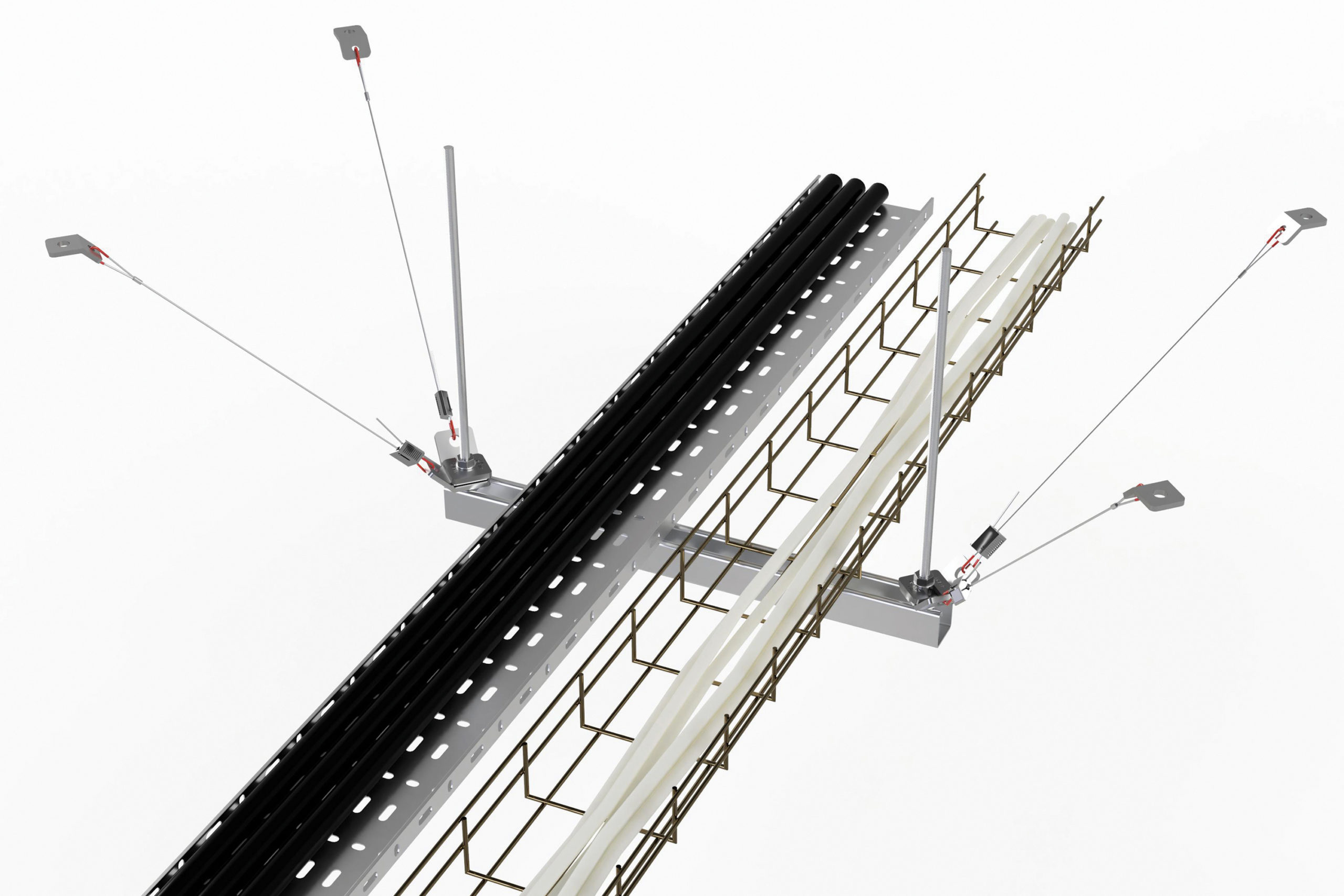
seismic wire rope is a specialized type of wire rope that is designed to be highly sensitive to vibrations and movements in the ground. It is made up of multiple strands of wire that are tightly wound together to create a strong and flexible cable. The construction of seismic wire rope allows it to withstand the rigors of constant movement and tension while still accurately transmitting data to seismometers.
One of the primary functions of seismic wire rope is to connect the seismometer to the ground. By securely anchoring the seismometer to the ground using seismic wire rope, scientists can accurately measure ground vibrations and movements in real-time. This data is crucial for detecting and monitoring earthquakes, as well as studying the behavior of seismic waves as they travel through the earth.
Another important role of seismic wire rope is to act as a high-pass filter for the seismometer. seismic wire rope is designed to be highly flexible and sensitive to even the smallest vibrations in the ground. This allows the seismometer to filter out background noise and focus on the specific frequencies and amplitudes of seismic waves generated by earthquakes. By using seismic wire rope as a filter, scientists can ensure that the data collected by seismometers is accurate and reliable.
Seismic wire rope also plays a critical role in mitigating the effects of external interference on seismometer readings. By using seismic wire rope to secure the seismometer to the ground, scientists can minimize the impact of external factors such as wind, temperature changes, and human activity on the accuracy of seismic data. This ensures that the data collected by seismometers is as precise and reliable as possible, which is essential for monitoring and predicting seismic events.
In addition to its role in earthquake monitoring, seismic wire rope is also used in a variety of other applications. For example, seismic wire rope is often used in geotechnical monitoring to measure ground movements and stability in construction sites, mines, and other industrial settings. By using seismic wire rope in geotechnical monitoring, engineers and geologists can assess the safety and stability of the ground and identify potential risks before they escalate into larger problems.
Seismic wire rope is also used in marine seismic surveys to detect and map the subsurface structures of the ocean floor. By connecting seismic sensors to the seafloor using seismic wire rope, scientists can generate detailed images of the seabed and identify potential oil and gas reserves. This information is crucial for the oil and gas industry, as it helps companies locate and extract valuable resources more efficiently and sustainably.
In conclusion, seismic wire rope plays a crucial role in earthquake monitoring and a wide range of other applications. By securely anchoring seismometers to the ground, filtering out background noise, and minimizing external interference, seismic wire rope helps scientists and researchers collect accurate and reliable data on seismic activity. This data is essential for understanding the behavior of seismic waves, monitoring and predicting earthquakes, and assessing ground stability in various settings. As technology continues to advance, seismic wire rope will continue to play a vital role in helping us better understand and prepare for seismic events.